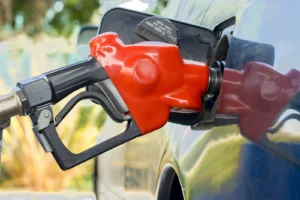
Gas station injury cases in Atlanta often involve more than just bad luck—they happen because someone failed to do their job. That could mean a property owner who ignored prior crimes, a company that let dangerous conditions go unaddressed, or a business that put cost-cutting ahead of basic safety. At Butler Kahn, we represent victims and families who want accountability and answers—not excuses. In this piece, we explain important information about gas station injuries, including the legal options available to victims, the possible types of financial compensation that can be received, and how an Atlanta Gas station injury attorney can fight on the victim’s behalf to obtain compensation and justice.
Major Types of Atlanta Gas Station Injuries
Slip and Fall Injuries
One of the most common ways people get hurt at gas stations in Atlanta is by slipping and falling. These injuries often happen when there’s oil, water, or spilled fuel on the ground. Sometimes it’s due to broken pavement, potholes, or poor lighting that makes it hard to see where you’re walking. Under Georgia law, specifically Georgia Code § 51-3-1, the business owner has a duty to keep the property safe for customers. If a gas station doesn’t clean up a spill, fix a broken curb, or put out warning signs, they can be held responsible.
Injuries From Violent Crimes
Gas stations in and around Atlanta are often open 24/7, and that makes them a target for crimes like robberies, shootings, and assaults. If a gas station has a history of crime on or near the property but fails to have cameras, lights, or security in place, it may be responsible for what happens to you under Georgia’s premises liability law. These types of injuries are often severe and may include gunshot wounds, stabbing injuries, or emotional trauma.
Car Accidents at the Pump
People sometimes drive recklessly around the pumps or parking lot, and that can lead to accidents involving other cars or people on foot. Whether a driver hits another car, backs into a pedestrian, or causes a multi-car crash, you can be seriously hurt. If the gas station design encourages unsafe traffic flow or doesn’t have clear markings or barriers, it might share some responsibility along with the driver.
Burns From Fires or Explosions
Gas stations store large amounts of flammable fuel. If someone smokes too close to the pump, or if there’s a leak or spark, a fire or explosion can happen. These injuries are often life-threatening and may result in second- or third-degree burns. Sometimes faulty equipment is to blame. In those cases, the station may be held accountable, or the manufacturer of the equipment may be responsible under Georgia product liability law.
Injuries Inside the Store
The convenience store attached to the gas station can also be dangerous. Shelves can collapse, slippery floors can cause falls, or a heavy item might fall from a high shelf. If you trip over loose mats, cracked tiles, or broken glass, you could be seriously hurt. Business owners are expected to regularly inspect and maintain their premises under Georgia law. If they don’t, and someone gets hurt, they can be held legally responsible.
Toxic Exposure Injuries
Fuel and other chemicals used at gas stations can cause harm if you’re exposed for too long. Breathing in gas fumes or getting chemicals on your skin may lead to respiratory issues, skin burns, or long-term health problems. Georgia law recognizes that business owners must warn and protect customers from exposure to hazardous substances. If the station didn’t store or handle these materials safely, they could be liable for your injuries.
Where Gas Station Injuries Happen Around Atlanta
- Downtown Atlanta: Gas stations near Peachtree Street, North Avenue, and Memorial Drive often have high foot traffic and a history of violent crime, especially at night.
- Midtown Atlanta: Popular with both commuters and nightlife crowds, stations along Ponce de Leon Avenue and near Piedmont Park can become dangerous after dark.
- South Atlanta (including College Park and East Point): These areas near the airport and I-285 see a higher number of robberies and shootings at gas stations.
- I-285 and I-75 Exit Areas: Stations along these highways—especially in Cobb, Clayton, and DeKalb Counties—are busy, sometimes understaffed, and poorly lit.
- Gwinnett County: The suburbs have many high-traffic stations, and some older ones don’t follow safety best practices.
- Fulton Industrial Boulevard Corridor: This area has a reputation for serious violent incidents at convenience stores and gas stops.
- Marietta and Decatur: Both are major commuter routes where poor lighting, slippery pavement, and high-volume foot traffic contribute to a greater chance of injury.
- Tourist Zones: Stations near Mercedes-Benz Stadium, State Farm Arena, and Hartsfield-Jackson Airport are busy and can be chaotic, leading to increased risk of accidents or criminal activity.
Who to Sue for a Gas Station Injury
Property Owners and Station Operators
The gas station owner has a legal duty to keep the property safe for customers under Georgia’s premises liability law, Georgia Code § 51-3-1. If they fail to clean spills, fix broken sidewalks, or provide basic lighting and security, they may be held responsible for your injuries.
Franchise Companies or Out-Of-State Corporations
Many gas stations are owned by big companies but operated by smaller, local franchises. Both can be liable depending on who controlled the day-to-day operations. Georgia law allows for shared liability when more than one party contributes to the dangerous condition.
Third-Party Criminals
If you were hurt during a robbery, shooting, or attack by someone else, the gas station could still be responsible if it failed to provide enough security in an area with known risks. This falls under premises liability too, especially when the crime was foreseeable.
Negligent Employees and Employers
If a worker knew about a hazard but ignored it, such as leaving a spill uncleaned or not warning you about broken equipment, their negligence may be legally passed on to the business under Georgia law.
Security Companies
Some gas stations hire private security. If the guards failed to do their job—like not responding to a threat or ignoring trouble signs—the security firm may also be legally responsible, depending on the terms of their contract and what they failed to do.
Product Manufacturers or Maintenance Companies
In cases involving fires, pump malfunctions, or electric shocks, the equipment maker or the company hired to maintain it could be liable under Georgia product liability law (Georgia Code § 51-1-11).
Compensation for Victims Following an Atlanta Gas Station Injury
Insurance Claim
You can start by filing a claim with the gas station’s liability insurance or, in some cases, with your own auto or health insurer. An insurance claim might lead to a faster payout, but these offers are often lower than what your case is really worth. Insurance companies work to protect their bottom line—not your well-being. Even in clear-cut situations, they may try to blame you or delay your claim. If you get a settlement offer, have a lawyer review it before you sign anything.
Lawsuit
If the insurance company refuses to pay a fair amount or denies responsibility, you can file a personal injury lawsuit. Under Georgia Code § 9-3-33, you generally have 2 years from the injury date to file. A lawsuit lets you present your case in court and force the business or property owner to explain their actions. You can also gather evidence that’s not available through an insurance claim alone, like internal reports, security footage, and employee records.
Types of Damages
Georgia law allows you to recover several types of damages in both claims and lawsuits. You may be entitled to compensation for your medical bills, lost wages, future treatment, and emotional suffering. If your property (like your car or phone) was damaged during the incident, you can include that too. Pain and suffering may also apply, especially for permanent injuries or trauma that affects your daily life.
Wrongful Death Claims
If a family member died because of a gas station injury, you may be able to bring a wrongful death claim under Georgia Code § 51-4-2. These lawsuits allow surviving family members to recover the full value of the decedent’s life, along with funeral expenses, medical bills, and emotional loss.
What an Atlanta Gas Station Injury Lawyer Does for Victims
Gas station injury cases often involve criminal activity, missing video footage, hard-to-find witnesses, or out-of-state gas station owners. A lawyer who focuses on these cases will move quickly to preserve evidence, review security records, and investigate past incidents at the same location. They’ll also identify every person or company who may be responsible and hold them legally accountable under Georgia law. If you were seriously hurt or lost someone you love, a lawyer helps level the playing field so that you don’t have to fight big companies or insurers on your own.
Frequently Asked Questions
Should I call a lawyer if I slipped at a gas station?
Yes. Gas stations and insurers often deny fault. A lawyer helps gather evidence and fights to get you full compensation under Georgia premises liability law.
Can I sue if I was attacked at a gas station?
Yes, if the station had poor or no security and the crime was foreseeable based on prior incidents. Georgia law holds property owners liable for negligent security.
What if I was hit by a car while walking at the pump?
You may have claims against the driver and possibly the gas station for poor design or lack of barriers. Both insurance and legal action may be options.
How long do I have to sue in Georgia?
You generally have 2 years from the injury date to file a lawsuit under Georgia Code § 9-3-33. Waiting too long can prevent you from recovering damages.
What if the security camera footage is gone?
Act fast. A lawyer can send a spoliation letter to preserve footage. If it’s destroyed after notice, the court may assume it was helpful to your case.
Will I have to go to court?
Not always. Many cases settle out of court. But if the insurance company refuses to pay fairly, going to court may be necessary to recover full damages.
What if the gas station blames me?
Georgia uses modified comparative fault. If you’re less than fifty percent at fault, you could still recover damages. However, your payout is reduced by your percentage of fault.
Can I get money for trauma or PTSD?
Yes. Emotional injuries like anxiety, fear, or PTSD can be part of your pain and suffering damages under Georgia law, especially after violent or traumatic incidents.
Do I still have a case if the area was known to be dangerous?
Yes. Businesses must take extra precautions in high-crime areas. A known danger doesn’t excuse poor lighting, lack of security, or failure to warn customers of risks.
Can I sue if my loved one died at a gas station?
Yes. Georgia’s wrongful death law (Georgia Code § 51-4-2) allows certain family members to recover damages for loss of life, funeral costs, and emotional harm.
Atlanta Gas Station Injury Attorney
If you were injured or a loved one was harmed at a gas station in Atlanta due to poor lighting, negligent security, or unsafe property conditions, you have the right to know what the law says and what your options are. At Butler Kahn, our experienced Atlanta premises liability attorneys handle serious cases involving violent crime, unsafe premises, and preventable injuries at gas stations across Georgia. If you want to speak with a lawyer who will give you clear answers and take your case seriously, contact Butler Kahn by calling (678) 940-1444 or contacting us online for a free consultation.
Warning: Undefined array key 0 in /home/staging_butler/www/wp-content/themes/cws-theme-work-mix/partials/standard-page.php on line 31