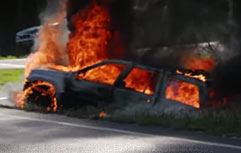
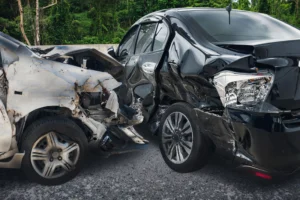
Chain reaction accidents are among the most complicated and dangerous crashes on Georgia’s roads. When multiple vehicles collide—often in quick succession—victims can suffer severe injuries while facing a confusing web of finger-pointing between drivers, insurance companies, and investigators. At Butler Kahn, we represent people who find themselves in the middle of these overwhelming pileups, often through no fault of their own. These cases involve layered evidence, multiple negligent parties, and high stakes for those seriously hurt or grieving the loss of a loved one. Our attorneys have handled these cases before, and we know how to uncover the truth, document your injuries, and demand accountability from those responsible. Below, Butler Kahn explains key facts about chain reaction accidents in Georgia, including major types and causes, potentially liable parties, what your legal rights are, what kinds of financial recovery may be available, and how an Atlanta chain reaction accident lawyer pursues justice and compensation on your behalf.
Types of Chain Reaction Accidents That Happen in Atlanta
Rear-End Pileups — These crashes usually start when one driver follows another too closely and can’t stop in time. A single rear-end crash can trigger several more as each car slams into the one ahead. You see this a lot on I-85, I-285, and GA-400, especially during stop-and-go traffic. Georgia Code § 40-6-49 requires drivers to maintain a safe distance from the vehicle ahead, and when they don’t, it can lead to serious multi-car wrecks.
Side-Impact Chain Collisions — A crash in the middle of an intersection often kicks off this kind of chain reaction. One driver runs a red light or fails to yield and slams into another car, which then spins or pushes into a third or fourth. These happen a lot at busy crossings like Moreland Avenue and Memorial Drive. Georgia Code § 40-6-71 says drivers turning left must yield. Red light infractions fall under Georgia Code § 40-6-20.
Multi-Vehicle Freeway Collisions — This type of wreck typically happens on high-speed stretches of freeway, especially when someone changes lanes without signaling or brakes suddenly in front of fast-moving traffic. One bad move leads to multiple impacts in just seconds. Areas like the Downtown Connector and Spaghetti Junction are common scenes for these. Georgia Code § 40-6-48 concerns lane discipline and improper lane changes, both of which often play a role here.
Stop-and-Go Traffic Collisions — These auto crashes occur in heavy traffic when cars are creeping along and one driver isn’t paying attention. A sudden stop by one vehicle leads to a slow-motion chain of crashes. Even though the speed is low, the injuries can still be serious. This kind of crash often comes down to basic inattentiveness, which violates Georgia’s distracted driving statute (Georgia Code § 40-6-241).
Weather-Related Chain Accidents — Rain, fog, or ice can reduce visibility and traction, making it harder for drivers to stop in time. When one car loses control and crashes, others quickly follow. Even drivers going the speed limit can be at fault if they don’t adjust for weather conditions. Georgia Code § 40-6-180 says you must drive at a speed that’s reasonable for the conditions—not just the posted limit.
Construction Zone Chain Crashes — Sudden lane shifts, unclear signs, or abrupt stops often trigger multi-car accidents in construction zones. These zones create confusion and leave little room for error. I-285 and I-75 frequently have active work areas where this happens. Georgia’s “Move Over” law (Georgia Code § 40-6-16) requires extra caution in these areas.
Injuries You Can Get From a Multi Vehicle Accident in Georgia
Multiple-Impact Trauma — When you’re hit more than once in the same crash, your body takes repeated blows that compound injuries. This can cause head trauma, spinal damage, or crushed limbs, even if each hit happens just seconds apart.
Crush Injuries — Getting pinned between two vehicles can crush arms, legs, or your entire body. These injuries often lead to complications like compartment syndrome, where swelling cuts off blood flow and causes permanent damage.
Delayed Internal Injuries — Some injuries, like internal bleeding or organ damage, don’t show up right away. After a chain reaction crash, you might feel fine at first but later develop serious symptoms that require emergency care.
Soft Tissue Damage — Torn ligaments, whiplash, and muscle strain are common when you’re jolted in multiple directions. These injuries can last for months, affecting your ability to work or take care of yourself.
Psychological Trauma — The chaos of being involved in a crash with several vehicles can lead to anxiety, PTSD, and depression. It’s not just physical—you may carry the emotional toll long after the wreck.
Where Chain Reaction Accidents Happen Most Often in Atlanta
I-285 (The Perimeter) — This highway circles Atlanta and is packed with commuter traffic, semi-trucks, and construction zones. Sudden lane changes and heavy congestion make it a frequent site for multi-car wrecks.
Downtown Connector (I-75/I-85 Merge) — When two major interstates run side by side through the heart of the city, traffic bottlenecks fast. One small crash here can easily lead to a major pileup.
Spaghetti Junction (I-285/I-85 Interchange) — With several ramps stacked and twisted together, this area is confusing even for locals. It only takes one mistake to set off a chain reaction accident.
GA-400 Near Buckhead and Sandy Springs — High-speed travel and lots of on/off ramps lead to hard braking and risky merges. Accidents on GA-400 often involve multiple vehicles crashing in a row.
Buford Highway and Memorial Drive — These surface roads are loaded with cars, buses, and pedestrians. Sudden stops, turns, or red-light running can lead to cars slamming into each other one after another.
Determining Liability for a Chain Reaction Crash in Georgia
Other Drivers on the Road — Most chain reaction crashes start with one driver making a bad decision—following too closely, speeding, or texting. Georgia law (Georgia Code § 40-6-49) requires drivers to keep a safe distance and avoid rear-ending others. If someone violates that rule, they may be held responsible. Even if no specific traffic law is violated, a driver may still be held responsible under Georgia’s general negligence standard. Under Georgia Code § 51-1-2, every driver has a duty to exercise ordinary care—that is, the level of caution a prudent person would use in similar circumstances.
Commercial Trucking Companies — When a commercial truck is involved, the trucking company might be liable under Georgia Code § 51-2-2, which covers employer responsibility for employees’ actions. If the truck was overloaded, had bad brakes, or the driver wasn’t properly trained, the company may be legally on the hook.
Local or State Government — If the crash happened in a poorly marked construction zone or on a road with bad design or broken signals, the city or state might be responsible. Under Georgia Code § 50-21-23, you can bring a claim against a government entity in Georgia, but there are strict notice rules and deadlines.
Vehicle or Parts Manufacturers — Sometimes, a crash happens because of brake failure, tire blowouts, or other defects. If your accident involved a mechanical failure, the manufacturer could be liable under Georgia’s product liability laws (Georgia Code § 51-1-11).
You and Georgia’s Comparative Fault Law — Even if you were partly at fault, you might still recover damages. Georgia uses a modified comparative fault rule (Georgia Code § 51-12-33), which means you can get compensated as long as you’re less than 50% responsible. Your recovery will be reduced by your percentage of fault.
Responsibility in these crashes can be shared between many people or entities. That’s why it’s important to look at every detail—because who pays depends on who’s legally at fault under Georgia law.
Common Questions People Ask About Multi Vehicle Crashes
What should I do first after a multi-vehicle accident?
Call 911, get checked for injuries, and take photos of all the vehicles. If you’re able, collect contact info and witness names. This evidence is key to proving fault under Georgia’s multi-vehicle accident laws.
Can I get money for medical bills from a pile-up crash?
Yes. Georgia law (Georgia Code § 51-1-6) allows you to seek compensation if someone else’s actions caused your injury—even in complex, multi-car pile-ups. A lawyer can help you make a strong claim.
Is it still my case if I was the second or third car in the freeway accident?
Yes. Even if you weren’t the first car hit, you may still have a case. Liability in Georgia depends on who was negligent, not just the order of the freeway accident. Let a lawyer review the facts.
How long do I have to file a claim in Georgia after a multiple-vehicle wreck?
You usually have two years from the date of the crash to file a personal injury lawsuit in Georgia under Georgia Code § 9-3-33. But it’s best to act quickly while evidence from a multiple-vehicle wreck is still fresh.
What if I was partly at fault for the chain collision?
You can get damages so long as you are under 50% responsible, according to Georgia’s comparative fault rule (Georgia Code § 51-12-33). Your compensation will just be reduced by your percentage of fault in the chain collision.
Can I sue more than one person for the same highway pile-up?
Yes. In Georgia, you can file claims against multiple people or businesses if more than one party contributed to the highway pile-up. Each will be judged based on their share of the fault.
Should I contact a lawyer for a rear-end domino accident?
Yes. These cases involve many drivers and legal issues. A lawyer helps protect your rights, sorts out fault, deals with insurers, and pursues compensation after a rear-end domino accident so you’re not stuck with the costs.
How much money can I expect to get for my injuries in a multi vehicle car crash?
There’s no set amount. It depends on your medical costs, lost wages, how bad your injuries are, and how the cascading car crash happened. A lawyer can estimate your damages once all the facts are clear.
Atlanta Chain Reaction Accident Attorney
If you’ve been injured in a chain reaction crash, you’re dealing with more than just the physical pain—it’s the stress of medical bills, missed work, and insurance companies trying to shift the blame. At Butler Kahn, our experienced chain reaction crash attorneys handle these complex cases with the focus and determination they demand. We’ve represented clients in multi-vehicle collisions who felt overwhelmed by the process until they had someone step in and take control. When you hire our firm, you get a team that listens carefully, prepares thoroughly, and fights hard. To speak with an Atlanta motor vehicle accident attorney about your rights and legal options, contact Butler Kahn by calling (678) 940-1444 or contacting us online for a free consultation.
Warning: Undefined array key 0 in /home/staging_butler/www/wp-content/themes/cws-theme-work-mix/partials/standard-page.php on line 31